
Building Infrastructure Resilience to Climate Change
Times are changing, and so is our climate. Climate change is not a hoax; it’s happening as we speak. With the rising carbon emissions, the challenge for civil engineers is clear: we need structures that are both sustainable and durable.
Buildings and infrastructure serve as the backbone of our communities. Without robust, long-lasting structures, even a slight tremor could cause our cities to crumble like a house of cards.
Urbanisation and Its Impact on Climate Change
In today’s climate, quite literally speaking, civil engineers carry a dual responsibility: to serve human needs and to withstand relentless environmental pressures.
Our lifestyles have changed drastically since industrialisation. People once walked long distances or relied on bullock carts for transport. Today, vehicular emissions from cars, two-wheelers, including carbon monoxide, nitrogen oxides, and other greenhouse gases, contribute to over 12% of India’s energy-related CO2 emissions.
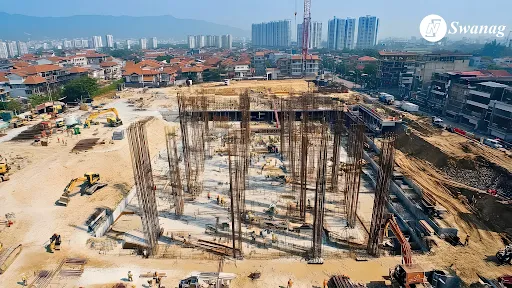
With urbanization, our green spaces are shrinking. Roads, residential towers, and commercial buildings encroach into local lakes and rivers.
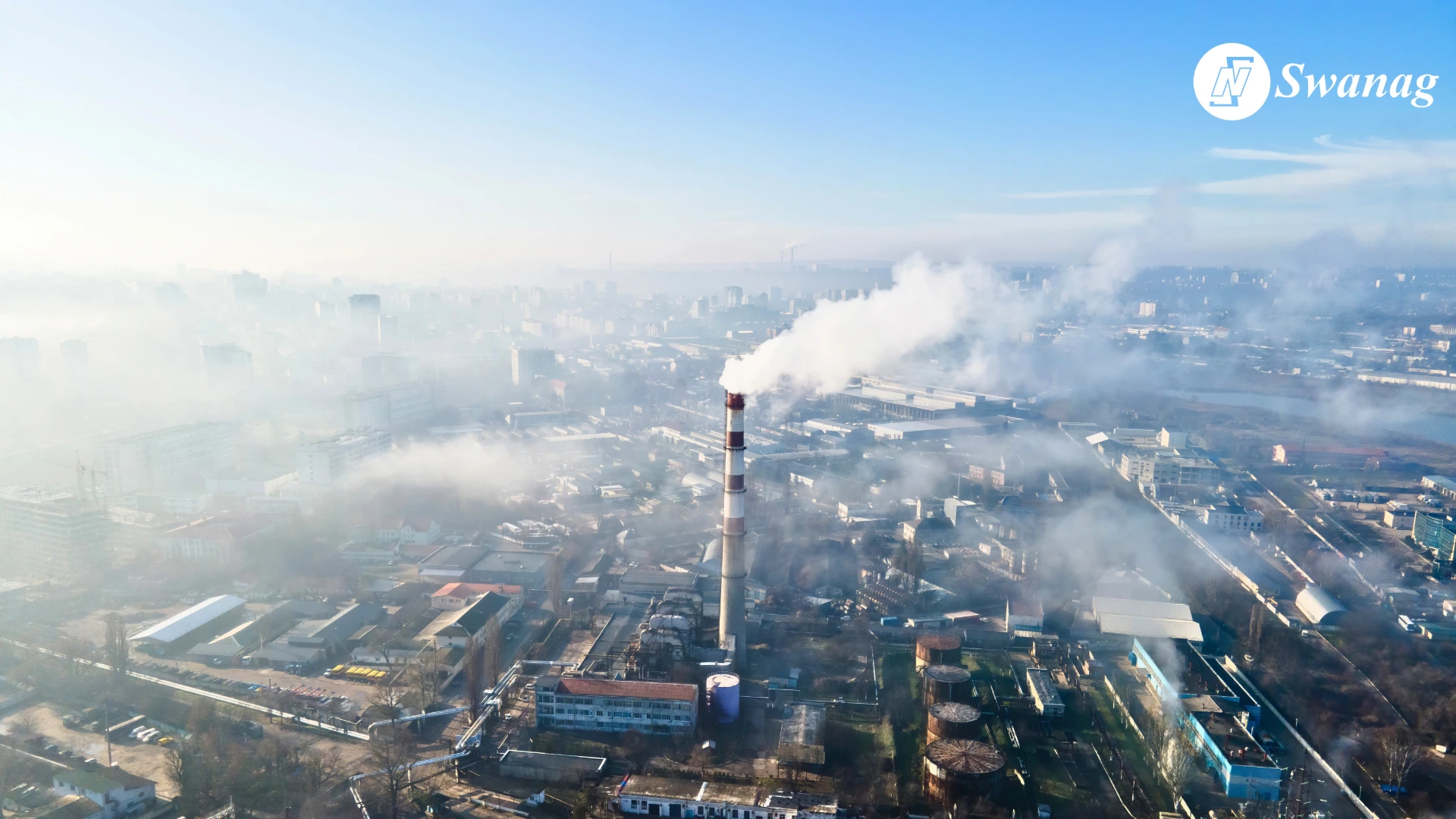
Activities such as open burning of waste, stubble burning after harvest, domestic cooking using firewood, and coal-based power plants add to the existing air pollution crisis.
Long-term environmental stress affects not just people but the infrastructures their lives depend on.
India’s Approach to Air Pollution and Climate Change
India addresses these challenges with national standards and programs:
- National Ambient Air Quality Standards (NAAQS): sets legal limits for 12 major pollutants.
- National Clean Air Programme (NCAP): targets a 40% reduction in particulate matter by 2026 across 131 cities.
While global rankings like WHO and IQ Air provide perspective, India adapts policies to its unique geography, natural dust levels, and developmental context. Engineers must factor in these localized pressures when designing buildings and bridges built to last.
Building Smarter, Stronger, and Sustainable Structures
We can’t stop environmental pressures — but we can design to resist them. Today’s engineers can:
- Use smarter materials: corrosion-resistant concrete, high-strength steel, advanced composites, and protective coatings that withstand moisture, carbon, and particulate damage.
- Design smarter structures: elevated foundations, improved drainage, natural ventilation, and facades that shield against pollutants.
- Leverage technology: sensors, structural health monitoring, and predictive modelling to spot risks before they become problems.
Preparing for the Future
Even though we are making efforts to transition to more sustainable or greener technologies, such as solar energy and electric vehicles from coal-based fuels, we are still largely running our lives on fuel from non-renewable energy sources.
In the meantime, until we can fully transition, civil engineers have both the opportunity and responsibility to create buildings, roads, and bridges that are durable and sustainable.
By combining innovative design, advanced materials, and air-quality-conscious planning, we can build cities and communities that thrive, even as climate challenges grow.
FAQ
The National Ambient Air Quality Standards (NAAQS) and the National Clean Air Programme (NCAP) guide emissions control and urban planning.
Non-renewable energy and environmental stressors persist, so buildings, roads, and bridges must withstand current and future climate challenges.
Sensors, structural health monitoring, and predictive modelling help detect risks early and ensure long-lasting, sustainable structures.
Corrosion-resistant concrete, high-strength steel, advanced composites, and protective coatings help structures withstand moisture, carbon, and particulate damage.
